
How Ai is changing the landscape for Construction Bidding in the sign industry.
AI isn’t replacing estimators in the sign industry.
It’s changing what they spend their time doing.
For decades, construction takeoffs have been one of the most time-consuming parts of estimating. Open the plans. Find the relevant sheets. Measure quantities. Count components. Check revisions. Transfer everything into an estimate. Then double-check it all.
AI is beginning to change that workflow.
AI isn’t replacing construction estimators. It’s changing what they spend their time doing.
For decades, construction takeoffs have been one of the most time-consuming parts of estimating. Open the plans. Find the relevant sheets. Measure quantities. Count components. Check revisions. Transfer everything into an estimate. Then double-check it all.
AI is beginning to change that workflow.
Today’s AI-powered takeoff tools can analyze drawings, recognize objects and materials, identify dimensions, assist with quantity counts, compare plan revisions, and help turn drawings into usable estimating data much faster than traditional manual methods.
But speed may not be the biggest advantage.
The real opportunity is what happens AFTER the takeoff.
If an estimator can spend less time counting and measuring, they can spend more time reviewing scope, identifying risk, checking constructability, communicating with vendors, evaluating labor requirements, and making sure the company is putting the right number on the project.
For subcontractors, that could also mean bidding more opportunities without proportionally increasing estimating staff.
Imagine an estimator who previously had time to thoroughly evaluate five projects in a week now being able to evaluate ten or fifteen—with AI handling much of the repetitive work while the estimator provides the experience and judgment.
There are still limitations. Drawings are inconsistent. Specifications matter. Addenda change scope. AI can misunderstand details, and an experienced estimator still needs to verify the output.
That’s why I don’t think the future is AI vs. estimators.
I think it’s:
Experienced estimator + AI = faster takeoffs, more bidding capacity, better information, and more time for the decisions that actually require experience.
The companies that figure out how to combine construction knowledge with AI effectively could have a significant estimating advantage over the next several years.
We’re only at the beginning.

Vehicle Wraps in Tacoma, WA: A Guide to Turning Your Vehicle Into a Moving Billboard
Custom wrap for your vehicle in Tacoma, WA.
For businesses throughout Tacoma and the Puget Sound region, a company vehicle can be much more than transportation. With a professionally designed vehicle wrap, a work truck, van, car, or entire fleet can become a highly visible extension of your brand. At ttransmitt, we design and produce custom vehicle wraps in Tacoma, WA for businesses that want to look professional, build local brand recognition, and get more value out of the vehicles they already have on the road.
Whether you're wrapping a single service van or developing graphics for an entire fleet, there are several things worth considering before starting a vehicle wrap project.
What Is a Vehicle Wrap?
A vehicle wrap is a large-format vinyl graphic applied directly over a vehicle's painted surfaces. Depending on the design and marketing goals, a vehicle can receive a full wrap, partial wrap, or spot graphics and lettering.
A full vehicle wrap can transform most of the visible painted surfaces of a vehicle with custom colors, graphics, photographs, logos, and messaging. Partial wraps use strategically placed vinyl graphics while allowing portions of the original vehicle color to remain visible. For businesses looking for a simpler solution, vinyl lettering and spot graphics can display a company logo, phone number, services, and other important information without covering the entire vehicle.
At ttransmitt, we help Tacoma businesses determine which approach makes sense based on their vehicle, brand, budget, and how the vehicle will be used.
Why Tacoma Businesses Use Vehicle Wraps
One of the biggest advantages of commercial vehicle wraps is that they create advertising exposure while the vehicle is already being used for everyday business.
A wrapped service van driving through Downtown Tacoma, a contractor's truck parked at a jobsite in North Tacoma, or a fleet vehicle traveling along I-5 can introduce a company to potential customers throughout the day.
Unlike many forms of advertising that disappear when a campaign ends, professionally installed vehicle graphics can continue promoting a business for years when properly maintained.
Vehicle wraps can also make a small company appear more established. When customers see a clean, professionally branded vehicle arrive at their home or business, the vehicle becomes part of the customer's first impression of the company.
For contractors, property-service companies, landscapers, electricians, plumbers, HVAC companies, delivery services, construction companies, and other mobile businesses, professional fleet graphics and vehicle lettering can also make company vehicles easier to identify.
Vehicle Wrap Design Matters
A good vehicle wrap isn't simply a large business card attached to a truck.
Vehicles have windows, doors, handles, wheel wells, body lines, curves, and other features that affect how graphics are viewed. An effective vehicle wrap design needs to account for the shape of the specific vehicle while keeping the company's most important information easy to understand.
In many cases, simpler is better.
Someone may only have a few seconds to see a wrapped vehicle in traffic. A strong design should quickly communicate the company's identity and what the business does.
Typically, the most important elements are:
Company name and logo
Primary service or business category
Clear, recognizable branding
Website or contact information when appropriate
Secondary information can be incorporated when it supports the design, but trying to place every service a company offers onto a vehicle can make the wrap harder to read.
At ttransmitt, our goal is to create custom vehicle graphics that look good parked in front of a customer's business while remaining recognizable when the vehicle is moving through Tacoma traffic.
Full Wrap vs. Partial Wrap
You don't necessarily need a full wrap to create an effective branded vehicle.
A full vehicle wrap provides the greatest opportunity to completely transform the appearance of a vehicle. This can be especially effective when the original vehicle color doesn't work well with the company's branding or when the design calls for a dramatic visual change.
A partial vehicle wrap combines printed vinyl with the vehicle's existing paint color. When designed intentionally, this can produce an appearance similar to a full wrap while reducing the amount of material and installation time required.
For companies primarily interested in identification and branding, vehicle lettering and spot graphics can be another cost-effective option. Logos, contact information, service descriptions, DOT numbers, unit numbers, and other graphics can be applied without wrapping large portions of the vehicle.
The best option depends on the vehicle, its existing color, the company's brand, and what the business wants the vehicle to accomplish.
Fleet Wraps and Fleet Graphics in Tacoma
Consistency becomes particularly important when a business operates multiple vehicles.
Professional fleet graphics allow trucks, vans, trailers, and service vehicles to maintain a recognizable visual identity even when the vehicles aren't identical.
A company might have Ford Transit vans, pickup trucks, box trucks, trailers, and smaller service vehicles within the same fleet. The graphics don't necessarily need to be identical on every vehicle, but the brand should remain immediately recognizable.
A well-planned fleet graphics program establishes standards for logo placement, colors, typography, contact information, and other graphic elements. Those standards make it easier to add vehicles as a company grows.
For businesses operating throughout Tacoma, Pierce County, and the greater Puget Sound region, a consistently branded fleet can create repeated exposure to the same audience over time.
What Businesses Benefit From Vehicle Wraps?
Vehicle graphics can work for almost any organization that regularly has vehicles on the road.
We commonly see commercial vehicle wraps and fleet graphics used by construction companies, electricians, plumbers, HVAC contractors, roofing companies, restoration companies, landscapers, property management companies, cleaning companies, delivery businesses, mobile service companies, restaurants, nonprofits, and other local organizations.
The common factor is simple: the vehicle already travels through the community.
Branding that vehicle turns otherwise unused exterior space into a marketing asset.
How Long Do Vehicle Wraps Last in Washington?
The lifespan of a vehicle wrap depends on several factors, including the vinyl used, installation quality, vehicle condition, sun exposure, washing methods, storage, and where graphics are positioned on the vehicle.
Washington's climate presents its own considerations. Tacoma vehicles regularly experience rain, moisture, road debris, seasonal temperature changes, and periods of summer sun. Horizontal surfaces such as hoods and roofs generally experience more environmental exposure than vertical surfaces.
Using professional-grade wrap materials, properly preparing the vehicle before installation, and following appropriate care recommendations can help maximize the useful life of a wrap.
Customers should also remember that a vehicle wrap is not permanent. One of the advantages of vinyl graphics is that they can eventually be removed and replaced when a business changes its branding, sells a vehicle, or updates its fleet.
Preparing a Vehicle for a Wrap
The condition of the vehicle matters.
Vinyl adheres best to properly prepared OEM-painted surfaces that are in good condition. Rust, peeling clear coat, failing paint, body damage, and certain aftermarket paint repairs can create problems for wrap installation and future removal.
Before wrapping a vehicle, we recommend identifying any paint or body issues that could affect adhesion.
The vehicle also needs to be thoroughly cleaned before installation. Dirt, wax, grease, road contaminants, and other residues can interfere with the vinyl adhesive.
Evaluating these conditions before production helps avoid surprises once installation begins.
How Much Does a Vehicle Wrap Cost in Tacoma?
The cost of a vehicle wrap in Tacoma varies significantly depending on the project.
Vehicle size is an obvious factor, but it's not the only one. Pricing can also be affected by the amount of coverage, complexity of the vehicle, wrap material, laminate, design requirements, removal of existing graphics, surface condition, and installation time.
A small partial wrap or set of commercial vehicle graphics will typically require less material and labor than a complete wrap on a large cargo van or box truck.
That's why we prefer to evaluate the actual vehicle and project requirements rather than treating every wrap as the same product.
When requesting a vehicle wrap estimate, providing the year, make, model, vehicle color, photographs, and desired coverage can help a sign company develop a more accurate quote.
Vehicle Wraps Are Part of Your Brand
For a commercial vehicle, the wrap shouldn't be considered separately from the company's overall identity.
The same logo, colors, typography, and visual language used on a company's storefront signs, jobsite signs, business cards, uniforms, website, and marketing materials should carry over to its vehicles.
This is particularly valuable for businesses building recognition in a specific geographic market.
When customers repeatedly encounter the same company branding on a storefront, work truck, jobsite sign, and online, those individual impressions begin reinforcing one another.
That's why ttransmitt approaches commercial vehicle graphics as both a signage project and a branding project.
Vehicle Wraps in Tacoma and the Puget Sound Region
Based in Tacoma, ttransmitt is a signage and graphics company serving businesses throughout Tacoma and the greater Puget Sound region.
Our vehicle graphics capabilities include full vehicle wraps, partial vehicle wraps, commercial vehicle graphics, fleet graphics, truck wraps, van wraps, vehicle lettering, decals, and custom wrap design.
We work with businesses to develop graphics that fit both the vehicle and the larger brand—from the initial design concept through production and installation.
For companies with multiple vehicles, we can also help develop a repeatable fleet graphics system that can be adapted as new trucks, vans, or other vehicles are added.
Looking for Vehicle Wraps in Tacoma, WA?
If you're considering wrapping a business vehicle, start by thinking about what you want someone to understand when they see it.
Who are you?
What does your company do?
And will someone remember the vehicle five minutes after it passes them?
A successful wrap answers those questions without making the viewer work for the information.
ttransmitt provides vehicle wraps, fleet graphics, vehicle lettering, and custom vehicle graphics for businesses in Tacoma, WA and throughout the Puget Sound region. Whether you're branding one vehicle or developing graphics for an expanding fleet, we can help create a solution designed around your vehicles and your brand.
2025 Signage Trends: Where Design Meets Innovation
2025 Signage Trends: Digital, Eco-Friendly & Illuminated Signs | ttransmitt
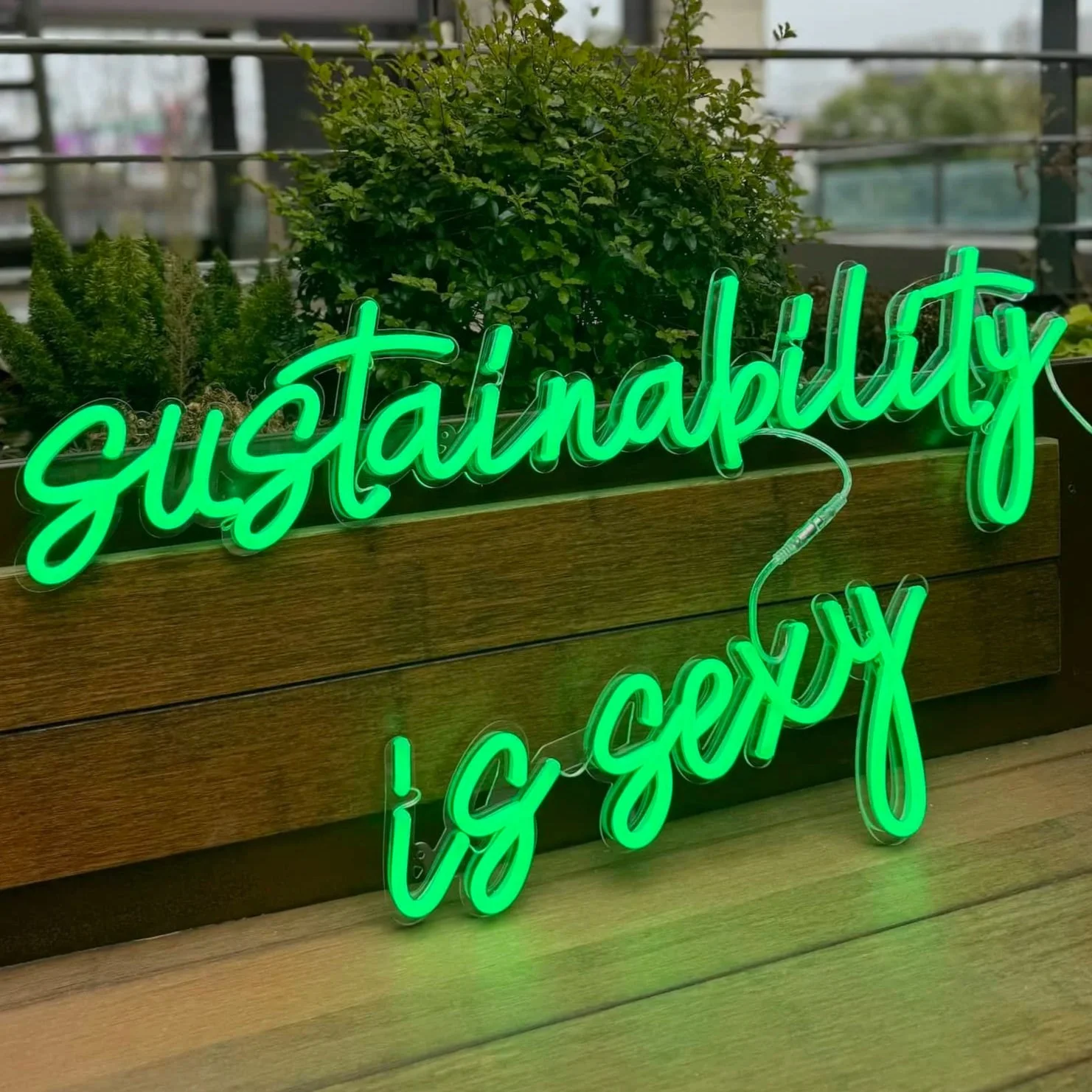
The sign industry is evolving faster than ever, combining technology, sustainability, and artistry in ways that capture attention and communicate brand identity. As we move deeper into 2025, trending signs include digital signage, eco-friendly materials, and illuminated options like backlit and faux neon LEDs. Businesses are leaning toward displays that not only look modern but also align with their environmental values and enhance visibility day or night.
One of the biggest shifts in signage today is the variety of materials and construction techniques. Digital signs lead the way with interactive screens that display dynamic content — perfect for promotions, menus, or real-time updates. Eco-friendly signage has also gained momentum, with sustainable materials such as recycled metals, reclaimed wood, and biodegradable plastics replacing traditional plastics and vinyls. Meanwhile, faux neon or LED neon signs deliver the nostalgic glow of classic neon but with far greater energy efficiency and durability. For businesses seeking a handcrafted look, vintage-style signs featuring hand-painted lettering and rustic finishes continue to provide a timeless, personal touch.
Design-wise, the trend is all about balance — merging minimalism with personality. Clean layouts, sharp lines, and modern sans-serif fonts define the minimalist approach, while dimensional and layered signage adds depth and sophistication. Bold, vibrant colors and modern gradients are also making a comeback, helping businesses stand out in competitive spaces. Many brands are rediscovering the power of nostalgic design, bringing back mid-century logos and classic color palettes that evoke a sense of trust and familiarity.
Another growing trend is interactivity and personalization. Signs now integrate QR codes, scannable links, and even NFC technology to connect customers directly to websites, promotions, or social media pages. This blend of physical signage and digital engagement creates a richer, more memorable experience for audiences.
Lastly, functional signage is evolving too. Wayfinding signs — once purely utilitarian — are becoming design statements that help people navigate large campuses, shopping centers, and event spaces. Pylon and monument signs continue to be popular for roadside visibility, acting as powerful landmarks for businesses located on high-traffic routes.
The Pros and Cons of LED Business Signs: How Tacoma Shop Owners Can Stand Out — Even in Daylight
Why LED Signs Have Become Tacoma’s Favorite Storefront Upgrade
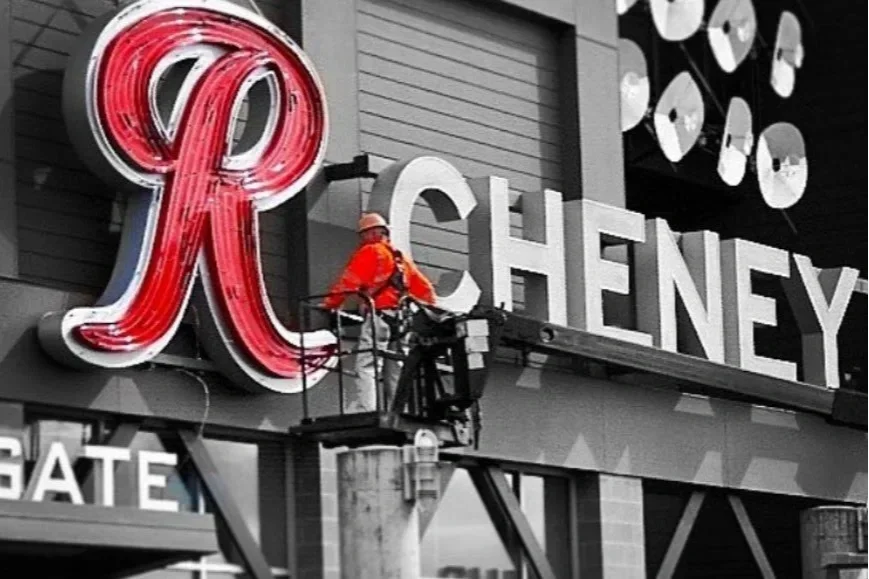
In recent years, LED signs have become one of the most popular ways for Tacoma businesses to refresh their storefronts. From small coffee shops on Sixth Avenue to larger retailers downtown, owners are choosing LED displays for their brightness, longevity, and modern look. The technology has improved dramatically — today’s LEDs use far less energy, last for years, and allow you to customize your message, color, and animation. For many local businesses, it’s the single most visible way to communicate brand personality, 24 hours a day.
The Visibility Advantage: Standing Out in All Conditions
One of the main advantages of LED signage is visibility. Unlike traditional painted or vinyl signs, LED displays can cut through rain, fog, or even direct sunlight — which, in the Pacific Northwest, is no small feat. A well-placed LED sign with high contrast colors can make your storefront visible from twice the distance of a non-illuminated sign. For example, a restaurant on Pacific Avenue using a bright white-on-black LED display can attract attention even during Tacoma’s overcast mornings, while keeping the look polished and professional after dark.
Branding Power: Color, Motion, and Customization
LED signs aren’t just bright — they’re flexible. Business owners can adjust colors to match brand identity, add subtle motion to catch the eye, or even rotate messages based on time of day. A yoga studio might use calming blue tones in the morning and switch to warm amber hues for evening classes. A local brewery might promote a seasonal release one week and an event the next, all from the same sign. That level of adaptability simply isn’t possible with static signage. When used thoughtfully, LED lighting can help express brand tone and make a lasting impression.
The Cost Factor: Upfront vs. Long-Term Value
It’s true — LED signs can have a higher upfront cost compared to traditional options. However, their long-term value often outweighs that initial investment. LED bulbs typically last 50,000 hours or more, meaning you could run a display eight hours a day for over 17 years before needing major replacement. They also consume significantly less electricity, which reduces monthly costs — especially for businesses that keep signs illuminated after hours. The result: a modern, efficient display that pays for itself over time.
Potential Drawbacks: Maintenance and Overuse
Like any technology, LED signs have a few drawbacks. Overly bright or fast-flashing displays can actually deter customers or violate local signage ordinances. Moisture or electrical issues can occasionally cause flickering, especially in high-humidity environments like Tacoma’s coastal areas. The key is balance — pairing LED illumination with solid fabrication, waterproofing, and professional installation. At ttransmitt, we often recommend dimmable systems and protective enclosures to maintain both performance and aesthetics.
Finding the Right Fit for Your Business
LED signage isn’t a one-size-fits-all solution — but for most Tacoma businesses, it’s a versatile, energy-efficient upgrade that enhances visibility and brand recognition. Whether you’re designing a clean, modern sign for an office front or a bold display for a retail store, LED lighting can help you make an impact day or night. If you’re curious about how an LED solution could work for your space, reach out to ttransmitt — we design and install custom signage that combines craftsmanship, technology, and strategy to make your business shine.
Why LED Signs Have Become Tacoma’s Favorite Storefront Upgrade
In recent years, LED signs have become one of the most popular ways for Tacoma businesses to refresh their storefronts. From small coffee shops on Sixth Avenue to larger retailers downtown, owners are choosing LED displays for their brightness, longevity, and modern look. The technology has improved dramatically — today’s LEDs use far less energy, last for years, and allow you to customize your message, color, and animation. For many local businesses, it’s the single most visible way to communicate brand personality, 24 hours a day.
The Visibility Advantage: Standing Out in All Conditions
One of the main advantages of LED signage is visibility. Unlike traditional painted or vinyl signs, LED displays can cut through rain, fog, or even direct sunlight — which, in the Pacific Northwest, is no small feat. A well-placed LED sign with high contrast colors can make your storefront visible from twice the distance of a non-illuminated sign. For example, a restaurant on Pacific Avenue using a bright white-on-black LED display can attract attention even during Tacoma’s overcast mornings, while keeping the look polished and professional after dark.
Branding Power: Color, Motion, and Customization
LED signs aren’t just bright — they’re flexible. Business owners can adjust colors to match brand identity, add subtle motion to catch the eye, or even rotate messages based on time of day. A yoga studio might use calming blue tones in the morning and switch to warm amber hues for evening classes. A local brewery might promote a seasonal release one week and an event the next, all from the same sign. That level of adaptability simply isn’t possible with static signage. When used thoughtfully, LED lighting can help express brand tone and make a lasting impression.
The Cost Factor: Upfront vs. Long-Term Value
It’s true — LED signs can have a higher upfront cost compared to traditional options. However, their long-term value often outweighs that initial investment. LED bulbs typically last 50,000 hours or more, meaning you could run a display eight hours a day for over 17 years before needing major replacement. They also consume significantly less electricity, which reduces monthly costs — especially for businesses that keep signs illuminated after hours. The result: a modern, efficient display that pays for itself over time.
Potential Drawbacks: Maintenance and Overuse
Like any technology, LED signs have a few drawbacks. Overly bright or fast-flashing displays can actually deter customers or violate local signage ordinances. Moisture or electrical issues can occasionally cause flickering, especially in high-humidity environments like Tacoma’s coastal areas. The key is balance — pairing LED illumination with solid fabrication, waterproofing, and professional installation. At ttransmitt, we often recommend dimmable systems and protective enclosures to maintain both performance and aesthetics.
Finding the Right Fit for Your Business
LED signage isn’t a one-size-fits-all solution — but for most Tacoma businesses, it’s a versatile, energy-efficient upgrade that enhances visibility and brand recognition. Whether you’re designing a clean, modern sign for an office front or a bold display for a retail store, LED lighting can help you make an impact day or night. If you’re curious about how an LED solution could work for your space, reach out to ttransmitt — we design and install custom signage that combines craftsmanship, technology, and strategy to make your business shine.